Agriculture wiring harnesses provide organised electrical connections for farming equipment, transmitting power and signals to sensors, controllers, and actuators whilst withstanding harsh field conditions including moisture, vibration, and chemical exposure. Manufacturers like Cloom Tech in Florida design custom harnesses with weather-resistant components, protective sheaths, and industry certifications to ensure reliable operation in tractors, harvesters, planters, and precision agriculture systems. When selecting harnesses, farmers and equipment manufacturers should evaluate environmental demands, electrical load requirements, compatibility with existing machinery, and the availability of custom solutions for integrating modern technology into both new and legacy equipment.
Key Takeaways
- Agriculture wiring harnesses streamline electrical systems in farming equipment, improving reliability and reducing maintenance time.
- High-quality components and protective features are essential for agriculture wiring harnesses to withstand harsh farm environments.
- Cloom Tech offers custom agriculture wiring harness solutions in Florida, tailored to specific machinery and field conditions.
- Using the right wiring harness can enhance machine performance, ensure safety, and support advanced agricultural technologies.
- Careful selection of agriculture wiring harnesses—considering environment, load, compatibility, and certification—optimizes farm productivity.
What Is an Agriculture Wiring Harness?
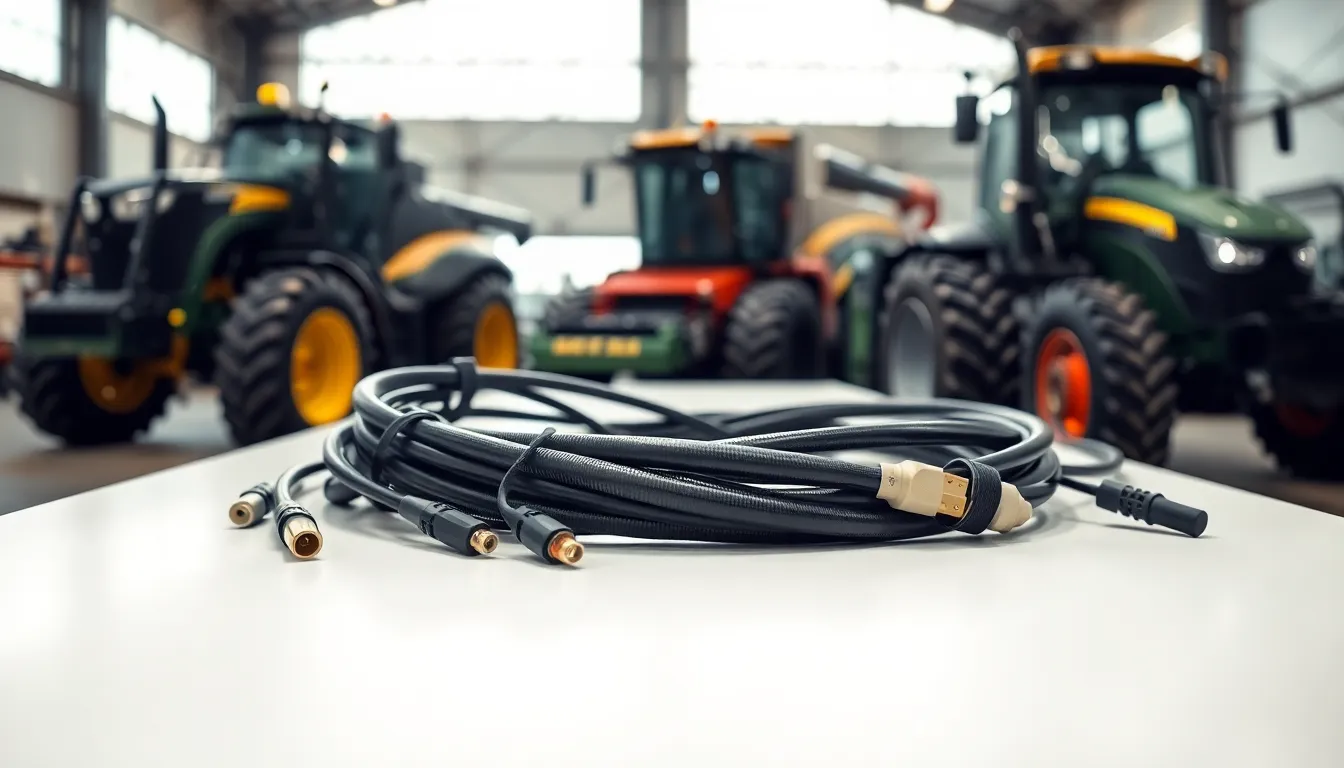
An agriculture wiring harness is an organized set of electrical cables, connectors, terminals, and protective sheaths assembled to transmit signals or power in farming machinery. These harnesses serve as the nervous system for equipment such as tractors, combines, irrigation controllers, and precision planters. Rather than relying on separate wires for each connection, a harness streamlines the installation and maintenance process, reducing the risk of loose connections or electrical failures.
At Cloom Tech, engineering teams in Florida design agriculture wiring harnesses to meet the rugged environmental demands of the agricultural sector, resisting dust, moisture, vibration, and UV exposure. This extends the service life of critical farm machinery and reduces field downtime.
Key Components and Functions
The performance of an agriculture wiring harness depends on the quality and suitability of its components. Typically, these harnesses include:
- Wires and Cables: Carry electrical power and control signals between components such as sensors, switches, lights, and actuators.
- Connectors: Ensure secure, reliable connections even under vibration and weather extremes. Weather-tight connectors are common to prevent corrosion.
- Terminals: Provide stable endpoints for making contact with devices or equipment circuits.
- Protective Sheaths and Sleeves: Shield wiring bundles against abrasion, moisture, heat, and chemical exposure.
- Cable Ties and Mounts: Secure and organize wiring inside machinery enclosures.
Each part must be selected with agricultural use in mind. For example, harnesses supplied by Cloom Tech undergo rigorous quality checks to meet both national and international standards, including resistance to chemicals often used in fields.
Types of Wiring Harnesses Used in Agriculture
There are several categories of wiring harnesses tailored for farming operations. These include:
- Main Power Harnesses: Deliver power from batteries or generators to multiple systems within tractors, sprayers, or harvesters.
- Control Harnesses: Transmit signals from operator panels to actuators, lighting, or auxiliary equipment.
- Sensor Harnesses: Connect environmental or positional sensors to control units, enabling precision agriculture and data collection.
- CAN Bus Harnesses: Support advanced communication standards for onboard diagnostics and automated control systems.
Cloom Tech in Florida specializes in custom harness design, allowing for modifications such as waterproofing, use of shielded cables, or integration of high-flex wires for repeated motion components. This customization is critical when dealing with specialized machinery or integrating modern technology into older farm equipment.
Benefits of Wiring Harnesses in Agricultural Machinery
The right wiring harness can have a significant impact on agricultural productivity and equipment reliability:
- Simplified Installation and Maintenance: Bundled wires reduce clutter and make troubleshooting easier, cutting downtime during busy planting or harvest seasons.
- Higher Durability: Purpose-built harnesses withstand temperature swings, vibration, mud, and chemicals, conditions typical on farms.
- Enhanced Safety: Proper insulation and quality components lower the risk of shorts, fire, or erratic electrical behavior.
- Improved Machine Performance: Reliable connections ensure automated systems, GPS guidance, and critical controls work without interruption.
- Customization for Modern Demands: Cloom Tech’s Florida facility offers tailored harness solutions for specific brands, model years, or unique field conditions, helping farmers adopt advanced technology without compatibility headaches.
Common Applications in Farming Equipment
Wiring harnesses are deployed in nearly every piece of modern agricultural equipment:
- Tractors: Control engine functions, transmission, lighting, payload management, and GPS navigation.
- Harvesters and Combine Machines: Link sensors that monitor yield, loss rates, and machine operation, as well as drive motorized actuators.
- Planters and Seeders: Enable variable-rate application, seed monitoring, and section control to maximize yield and efficiency.
- Sprayers: Support precise chemical delivery, boom controls, and ISOBUS or CAN-based communication systems.
- Drones and Autonomous Vehicles: Integrate sensors, GPS antennas, battery management, and communication equipment for unmanned operations.
Cloom Tech engineers regularly partner with agricultural OEMs and integrators, providing harnesses that fit both factory-fresh machines and retrofits for legacy equipment.
Choosing the Right Wiring Harness for Your Needs
Selecting an agriculture wiring harness requires attention to the equipment’s technical requirements and working environment:
- Assess Environmental Exposure: Consider the likelihood of contact with water, mud, salt, or agrochemicals. Opt for harnesses with robust protective features.
- Review Electrical Load Requirements: Match wire gauge, insulation, and connector current ratings to avoid voltage drops or overheating.
- Check Compatibility: Harnesses must interface correctly with existing sensors, controllers, and power sources, this is especially important in mixed fleets.
- Seek Custom Solutions: If off-the-shelf harnesses do not fit, custom manufacturing from specialists like Cloom Tech ensures precise dimensions, labeling for easier troubleshooting, and integration with upgraded technology.
- Confirm Certification: Harnesses used in agriculture should comply with industry and safety standards to safeguard equipment and operations.
Cloom Tech’s engineering teams in Florida are equipped to guide product designers and farm managers from concept to delivery, supporting both prototyping and high-volume runs.
Cloom Tech
Cloom Tech specializes in manufacturing custom wire harnesses and cable assemblies for various industries, including automotive, robotics, medical devices, and aerospace. Their services encompass design support from prototype to production, ensuring high-quality, durable, and reliable wiring solutions tailored to meet unique project requirements.
Contact:
Ivy Zhao, Spokesperson
Phone: +1 863 434 8447
Email: [email protected]
Website: www.cloomtech.com
Location:
9251 NW 112th Ave, Medley, FL 33178, USA
Frequently Asked Questions About Agriculture Wiring Harnesses
What is an agriculture wiring harness?
An agriculture wiring harness is a set of organized electrical cables, connectors, and protective sheaths designed to transmit power and signals within farming equipment. It simplifies installation and maintenance, reduces electrical failures, and is essential for reliable operation in tractors, harvesters, and other machinery.
Why is a wiring harness important in agricultural machinery?
Agriculture wiring harnesses ensure reliable electrical connections, resist harsh conditions like moisture and vibration, and help prevent electrical failures. They play a crucial role in optimizing machine performance, safety, and the integration of modern farming technology, reducing downtime during critical farming operations.
How do I choose the right agriculture wiring harness for my equipment?
To select the proper agriculture wiring harness, consider the equipment’s environmental exposure, electrical load, compatibility with sensors and controllers, and certification standards. Custom harness solutions, like those from Cloom Tech in Florida, provide tailored features for specific machinery and working conditions.
What are the main types of wiring harnesses used in farming?
Main types of agriculture wiring harnesses include main power harnesses, control harnesses, sensor harnesses, and CAN bus harnesses. Each type serves different functions, such as delivering power, transmitting control signals, or supporting advanced communication standards for diagnostics and automation.
Can older farm machinery be upgraded with modern wiring harnesses?
Yes, older or legacy farm equipment can be retrofitted with modern agriculture wiring harnesses. Custom harness providers like Cloom Tech design solutions that fit older machines, helping integrate new technologies and improve reliability without compatibility issues.
What is the typical lifespan of an agriculture wiring harness?
The lifespan of an agriculture wiring harness varies based on quality and conditions, but well-designed harnesses with proper protection can last several years, especially when meeting rigorous environmental standards. Regular maintenance and choosing certified harnesses help maximize their service life.